Industry
Snacks & Sweets
Short shelf life, batch recall exposure and weight-based yield, all of which need the record made on the line.
Overview
The recall question is always the same: which customers received material from this lot, and can you answer within the hour. It is a data capture problem long before it is a compliance one.
Snacks and sweets make it harder than most. Shelf life is short, so stock that sits in the wrong place expires. Yield depends on what the raw material happens to be that day, so the same recipe gives a different result on a humid week. And FSSAI wants every finished batch traced back to the raw material that went into it, which is difficult to do from a stack of production logs.
What goes wrong
Most of it happens in the gaps between steps.
- Raw material is weighed at the gate and the number is copied to a register later.
- A batch goes onto the line and nobody writes down which sacks it used.
- The oldest finished goods are at the back of the rack, so the newest go out first.
- ERP stock is updated at the end of the shift, from memory.
Each one is small. Together they mean a recall takes days, wastage creeps up and the books never quite match the floor.
Compliance as a by-product
Nobody should have to prepare for an FSSAI audit. If the lot was scanned in, issued to the batch by scan and labelled at packing, the trace already exists.
- Forward and back. Pick any finished lot and see the raw material batches behind it. Pick any raw material batch and see every customer it reached.
- Hygiene checks that can’t be skipped. A scan at the workstation is part of the job, so the checklist gets done.
- Temperature on the record. Cooking, cooling and storage readings are logged against the batch.
- A record with a name and a time on it. Who did what, and when, without anyone writing it down.
Cooking is the hard part
For sweets, time and temperature are the product. The right cook depends on how much moisture the raw material is carrying, so a fixed recipe isn’t enough. GoDesi monitors every line live and adjusts to the moisture of the batch. A big display on the shopfloor shows all lines at once, and the operator gets a green or red light when a batch drifts.
Several sites, one way of working
Factories and warehouses run the same workflows, so a new site goes live in days and a transfer between two of them is audited at both ends. Head office sees the same stock the floor does, as it moves.
Everything posts to your ERP as it happens. We’ve done this most with ERPNext, but the point is that it stops being a job someone does at the end of the day.
Workflow
Receiving, processing, dispatching
The three acts every inventory operation reduces to. Each step below is a point where identity, quantity or context gets captured.
Receiving
Raw material in, with the batch and the weight captured together.
- Scan the supplier batch code on the sack or drum
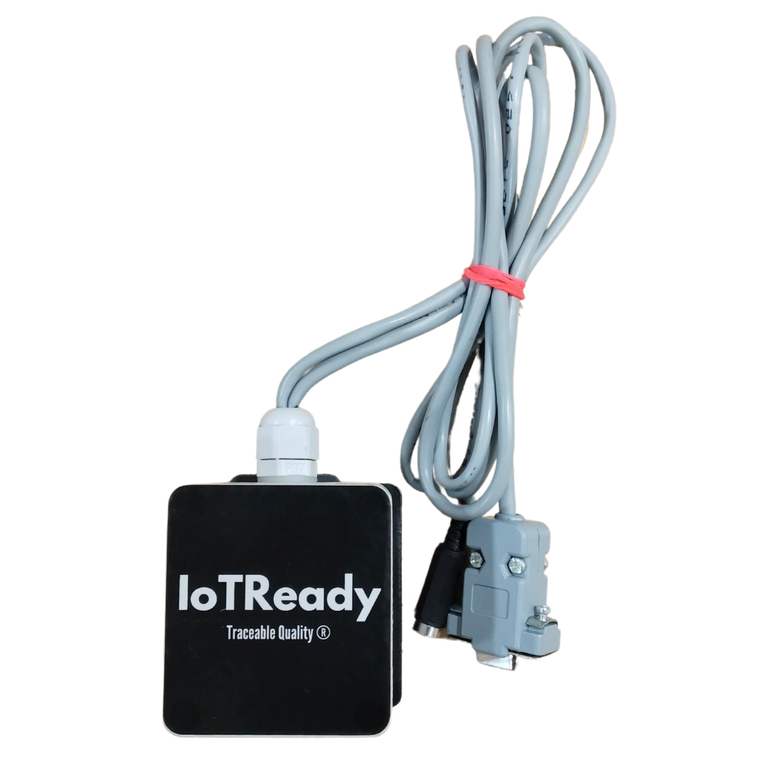
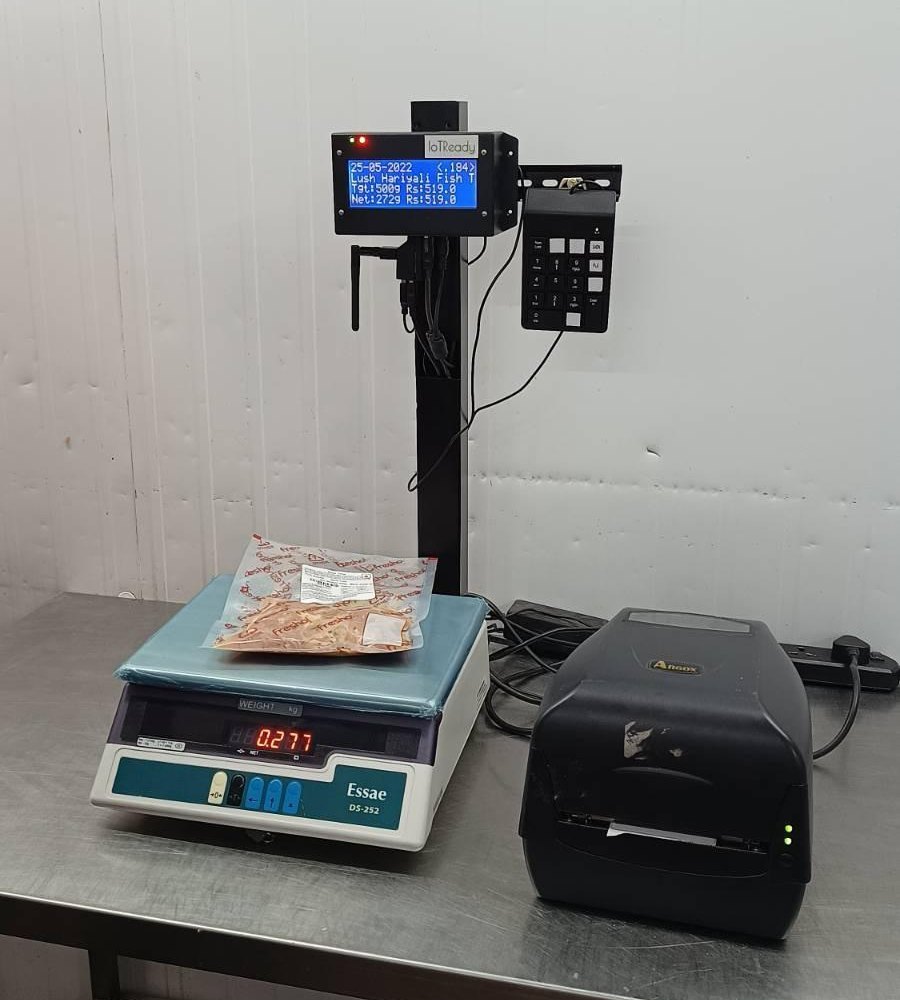
- Weigh in on the platform; record the tare and the net
- Bind the supplier batch to an internal lot at the point of receipt
- Post the receipt with the measured weight
Processing
Production, where yield is the number that pays.
- Issue lots to the batch by scan, so genealogy is captured as it happens
- Weigh output per batch to derive true yield against standard
- Print and apply a lot label at the point of packing
- Hold and release quality checks against the same lot identity
Dispatching
Out of the door, FEFO enforced by the system.
- Pick to first-expiry-first-out from the scanned lot
- Scan cartons onto the pallet and the pallet onto the vehicle
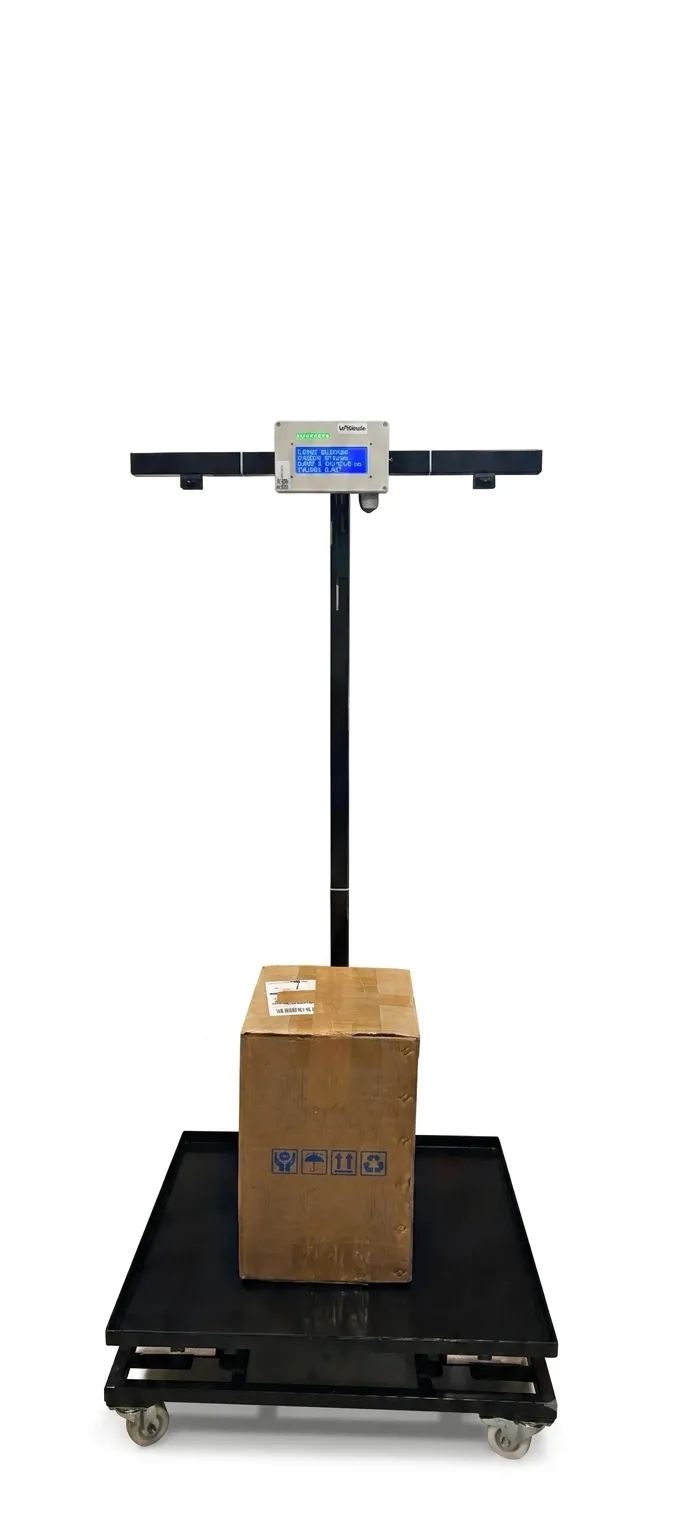
- Capture the dispatch weight for the transporter reconciliation
- Retain a full lot-to-customer trace for recall
What it runs on
Proof
Next step
Tell us what you are trying to trace.
Describe the flow: what arrives, what happens to it and what leaves. We will tell you what it takes to capture it.
or write to [email protected]