Case study
Cold chain monitoring for Flipkart Minutes
Wireless sensors in every freezer, chiller and tropical zone across sourcing hubs and dark stores, with local alarms that keep working when the internet does not.
Results
100%
Cold chain visibility across zones and sites
Wireless
Deployment, with no wiring to install
24/7
Monitoring, offline included
The work
The problem
Flipkart Minutes delivers groceries and frozen and chilled food in ten to fifteen minutes. Holding the cold chain from the sourcing hub to the customer is a food safety requirement, and it was being met with manual temperature logs.
That left several gaps. Nobody knew the state of a freezer between one log entry and the next. A door left open was found after the stock had warmed. Proving continuous custody for an audit meant reconstructing it. Wired sensors were expensive to install across a distributed estate of dark stores, and an internet outage meant losing the record for as long as it lasted.
What was deployed
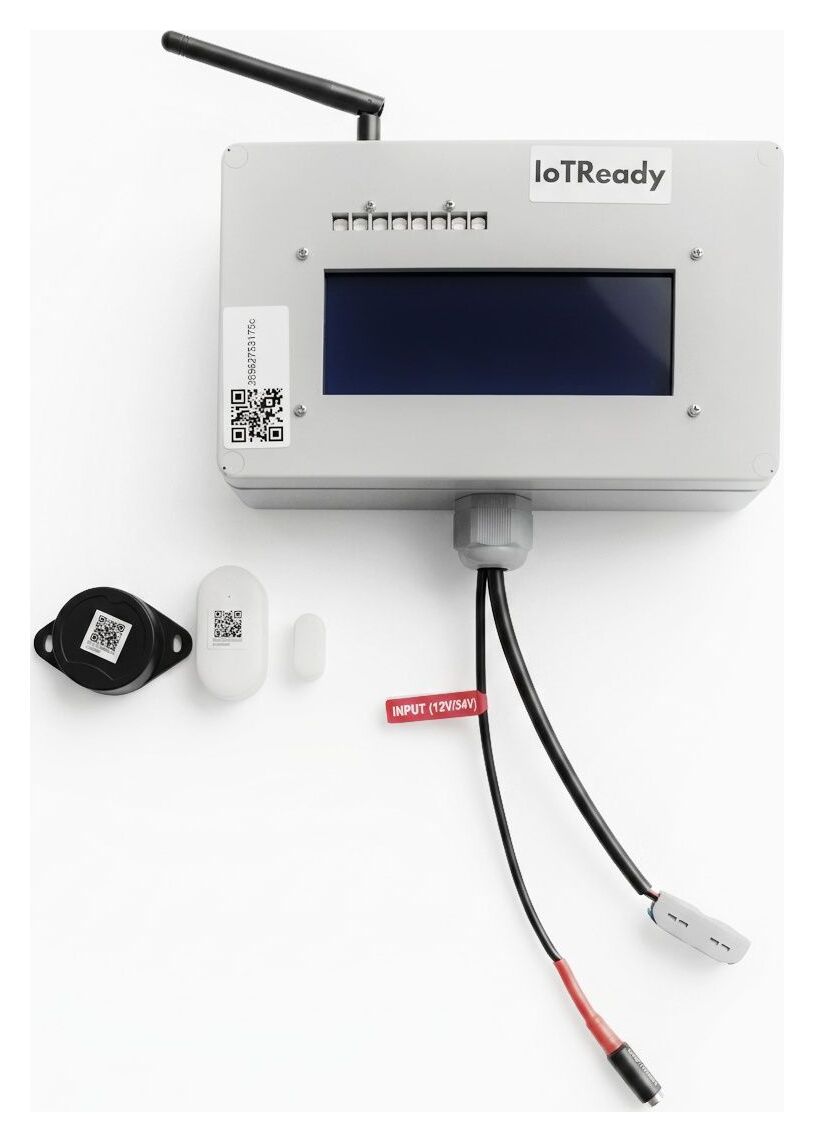
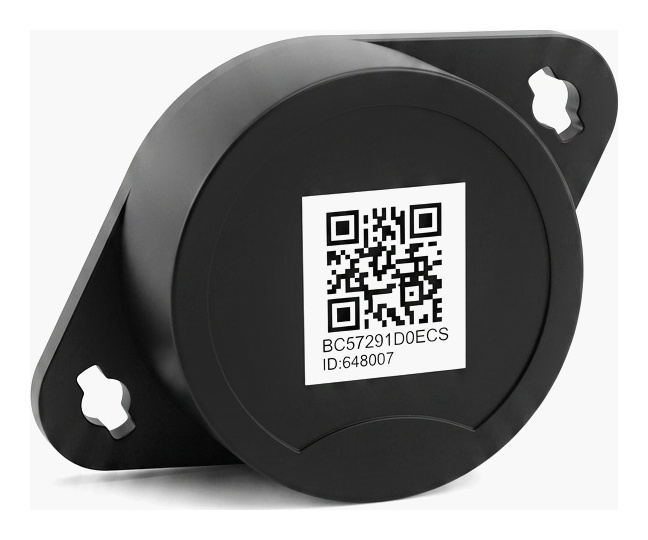
Battery powered BLE sensors sit in each zone and report continuously: freezers at -16 to -22 degrees, chillers at 2 to 8 degrees, tropical zones for dry goods. Door sensors catch a freezer left open. Humidity is tracked alongside temperature to catch condensation.
The sensors need no wiring and run for months on a battery. They reach roughly 30 metres in clear line of sight and 10 metres from inside a metal enclosure, so a gateway covers a floor. Installation takes minutes and a sensor moves when the layout does.
Alarms where the people are
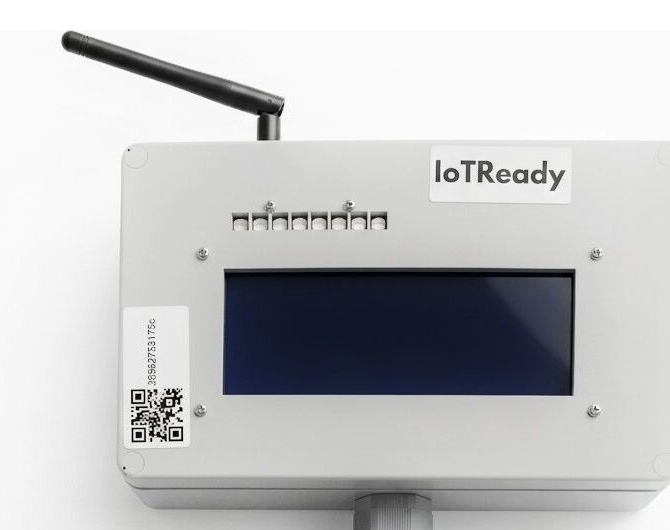
Each site has a local display showing current temperatures and an audible alarm that fires on a business rule. Thresholds and alert logic are changed remotely, so a rule change costs no site visits.
Everything works through a network outage. The gateway caches readings locally and uploads them when connectivity returns, and the local alarm sounds whether or not the cloud is reachable.
Stock in transit
Temperature controlled transfers between hubs and stores carry at least one sensor per zone, so a vehicle with a freezer and a chiller compartment has one in each. The sensors record through the trip without a network, and scanning them at the destination shows whether the cold chain held. A transfer that breached its limits can be refused at receipt, with the full temperature history attached to the decision.
The dashboard
Temperatures across every sourcing hub and dark store on one view, with trend analysis, excursion reports naming when and where, and gateway and sensor downtime alerts. Compliance exports pull the logs an audit asks for.
Alerts go out by SMS, email and push, with escalation if the first one is not acknowledged and role based routing per location and zone. Anomaly detection learns what a normal pattern looks like, so a door open for restocking reads differently from a failing compressor, and the alerts that do arrive are worth reading.
Next step
Run the same flow past us.
Most operations are a variation on one of these. Describe yours and we will tell you which parts carry over.
or write to sales@iotready.com