Solution
Asset Tracking
Two components: something that moves, and something that anchors it.
Overview
Asset tracking needs two components: a moving one and an anchor. Either the reader or the tag can be the anchor, and choosing correctly is most of the design. QR, RFID, BLE, NFC, UWB and GPS all sit on the same platform, so the choice follows the asset in front of you.
What are you tracking?
We start by naming the unit of traceability. A single high-value item, a low-value carrier and a moving vehicle each call for a different technology, and picking one leaves the others open for the next asset.
| A single asset | A phone, a watch, an instrument - typically BLE, RFID or QR |
|---|---|
| A carrier | A crate, pallet or box for smaller or lower-value items - typically RFID or QR |
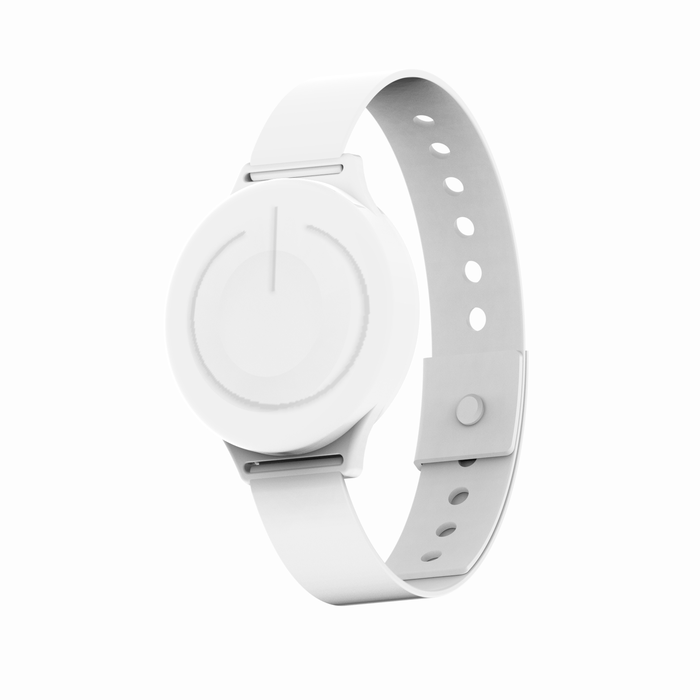
| An indoor moving asset | A forklift, a trolley, a person - typically BLE or RFID |
| A vehicle | Typically GPS and RFID together |
Pick the technology
No technology wins on every axis. Read distance, the environment and the tag economics decide it.
QR
Printed - no battery, no tag cost, no reader infrastructure
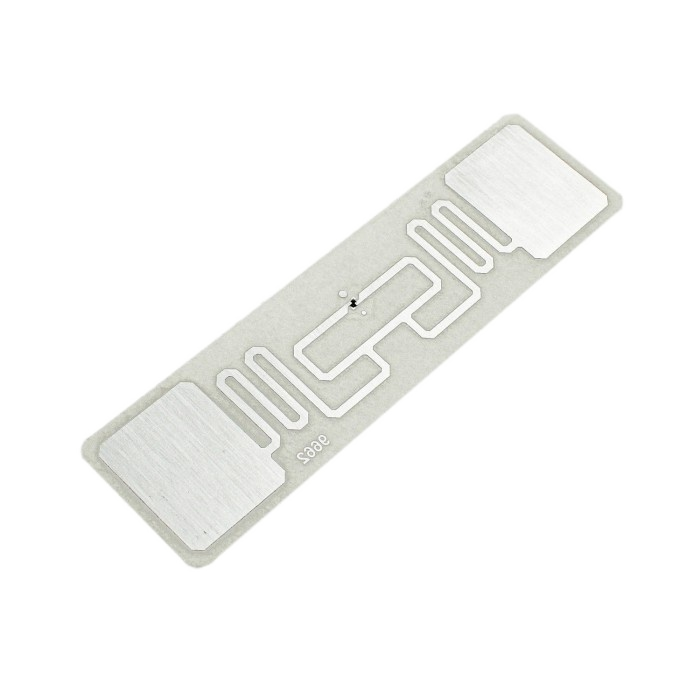
RFID
No battery - read in bulk, at range, without a line of sight
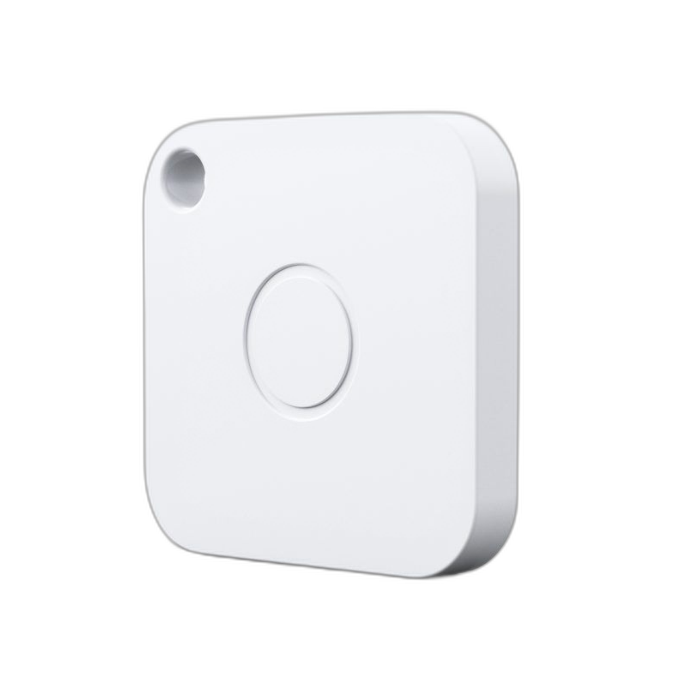
BLE
Battery powered - continuous, real-time position
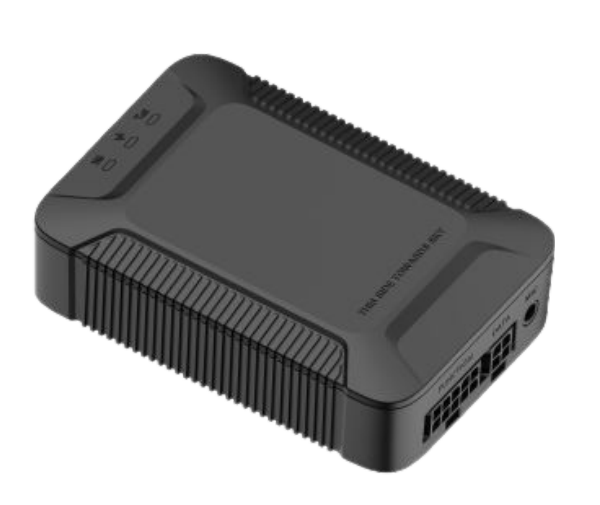
GPS
Battery powered - unlimited range, outdoors
| Feature | QR | RFID | BLE | GPS |
|---|---|---|---|---|
| Range | ~1 m | ~10 m | ~100 m | Effectively unlimited |
| Simultaneous scanning | Limited by operator speed | Up to 50 crates/second | Continuous, per zone | Continuous |
| Dusty or metal-heavy environments | Weak | Strong (may need special tags) | Strong (may need special tags) | Strong |
| Tag cost | Low | Medium | High | High |
| Tag battery life | None needed | None needed | ~3 years | ~1 week |
| Built-in sensors (temperature, etc.) | No | Sometimes, with special tags | Yes | No |
| Anti-theft | No | No, without a workflow around it | Yes, in real time | Yes |
Match the technology to the asset
Crates and pallets - low value, high volume: QR if manual scanning is acceptable; RFID once bulk scanning matters, up to 50 crates a second.
Trolleys and scales - higher value, fewer units: RFID where check-in and check-out is enough; BLE once real-time indoor position earns the extra cost.
Forklifts and AGVs: BLE for 3-5 m indoor location, with an option for built-in sensors to monitor utilisation alongside position.
Distributed IT assets - fewer than 50 units per site: QR if a manual audit is acceptable; BLE once continuous monitoring justifies the gateway.
Concentrated high-value inventory - jewellery, electronics, over 50-100 units per site: RFID tags across form factors that do not interfere with the customer experience, or BLE where real-time theft detection is essential.
The platform does not force a single answer across a site. A warehouse commonly runs QR on cartons, RFID on pallets and BLE on the forklifts moving them, and all three write to one record.
In production
Razorpay runs point-of-sale device warehouse management on the platform: live stock across the warehouse, factory, hubs, field service executives and end customers, automated goods receipts and stock transfers with e-way bills in SAP, quick physical inventory and verification for frequent audits, and asset depreciation and maintenance schedules built in.
BigBasket tracks five lakh crates a day across eighteen activities, validated in under 300 ms, over a fleet of twenty lakh crates and pallets in more than seven hundred warehouses and dark stores. That covers the whole crate life cycle, procurement to write-off, with alerts when crate levels at a site fall below threshold.
The model
Identity + Quantity + Context = Truth
Three inputs. Get all three at the moment of movement and the record needs no reconciling afterwards.
- Identity
- A QR code, RFID tag, BLE beacon or GPS unit on the asset, chosen to suit the unit of traceability.
- Quantity
- Presence, dwell, zone, temperature and battery, sampled continuously rather than counted at the next audit.
- Context
- Check-in and check-out where reconciliation is enough; real-time position where it earns its keep.
Where it runs
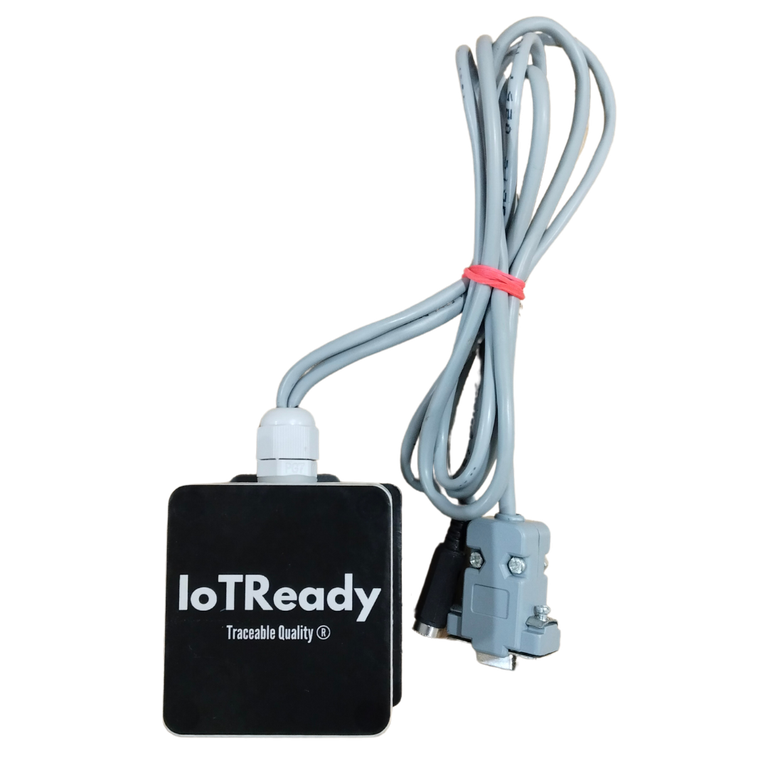
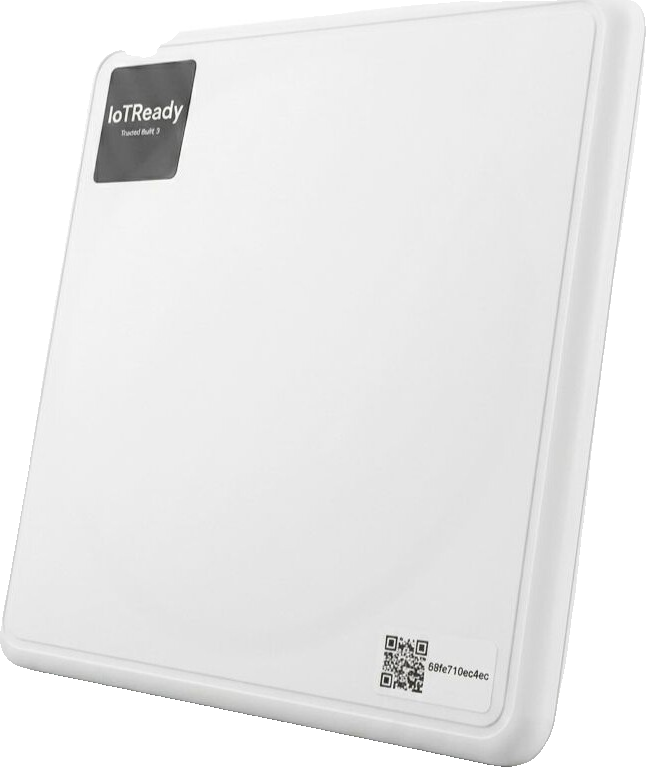
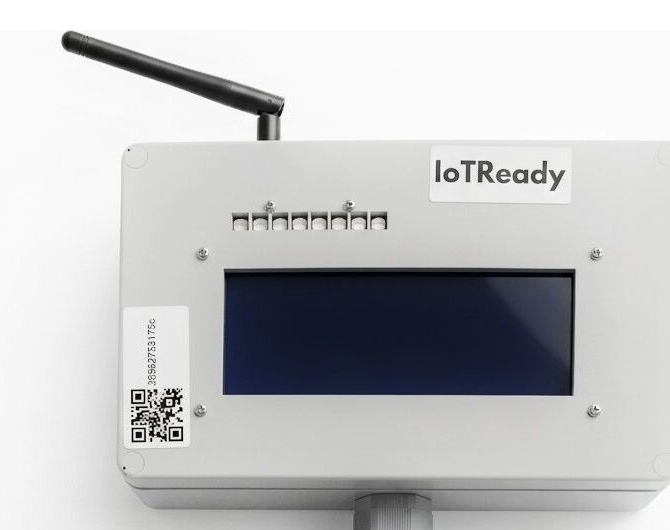
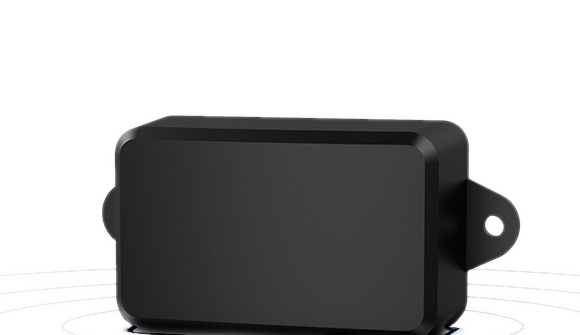
What captures it
Next step
Tell us what you are trying to trace.
Describe the flow: what arrives, what happens to it and what leaves. We will tell you what it takes to capture it.
or write to sales@iotready.com