Case study
Raw material to finished goods at Vedanta
RFID across copper and aluminium smelters, with fixed readers tracking the yard-to-plant moves nobody has time to scan and handhelds covering everything else.
Results
40%
Fewer inventory discrepancies
100%
Batch traceability, raw material to product
Real time
Yard to plant visibility
The work
The problem
Vedanta runs large copper and aluminium smelters that handle thousands of tonnes a day. Ingots, billets and rods were tracked by hand from receiving through the yards to the production lines, and the physical stock and the SAP record drifted apart. At that scale a percentage point of discrepancy is a large number.
Finished goods needed a physical verification before dispatch, which held vehicles up. Stores held thousands of consumables, tools, spare parts and PPE, on manual logs. And a quality question could not be answered by tracing a finished product back to the material it came from.
Raw material
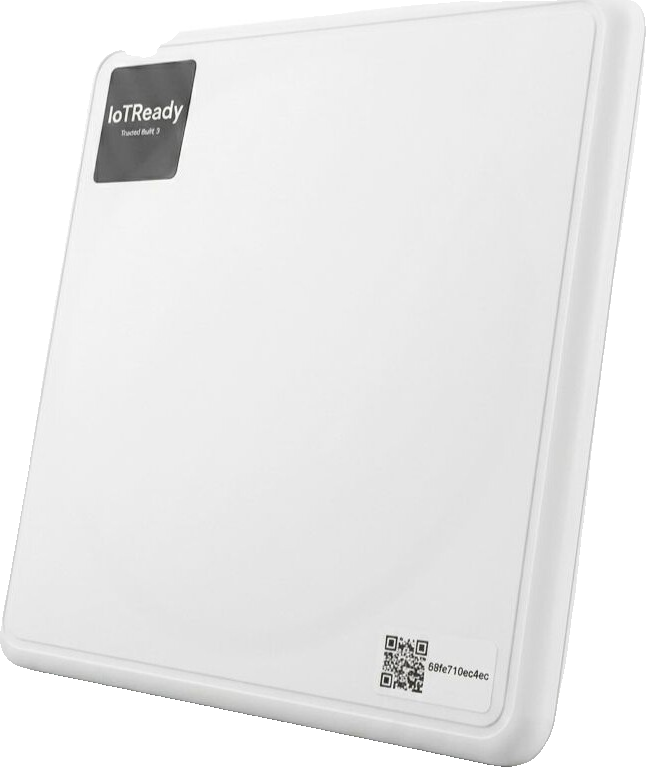
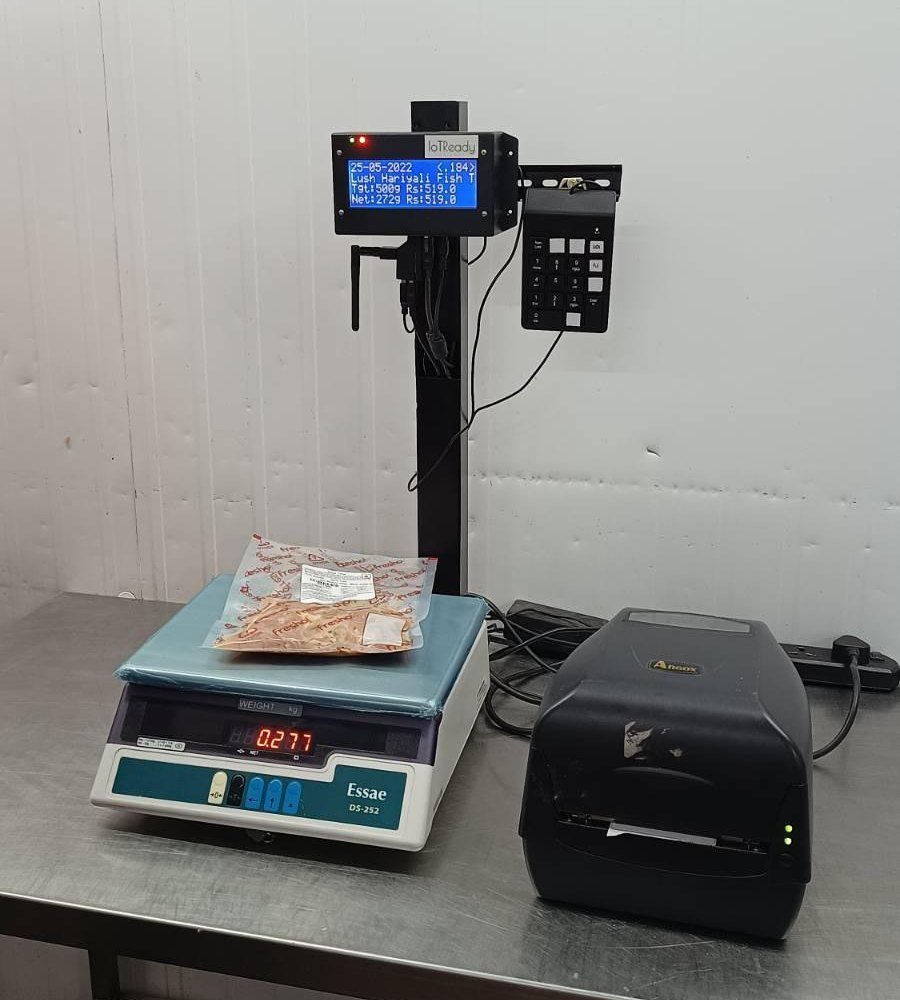
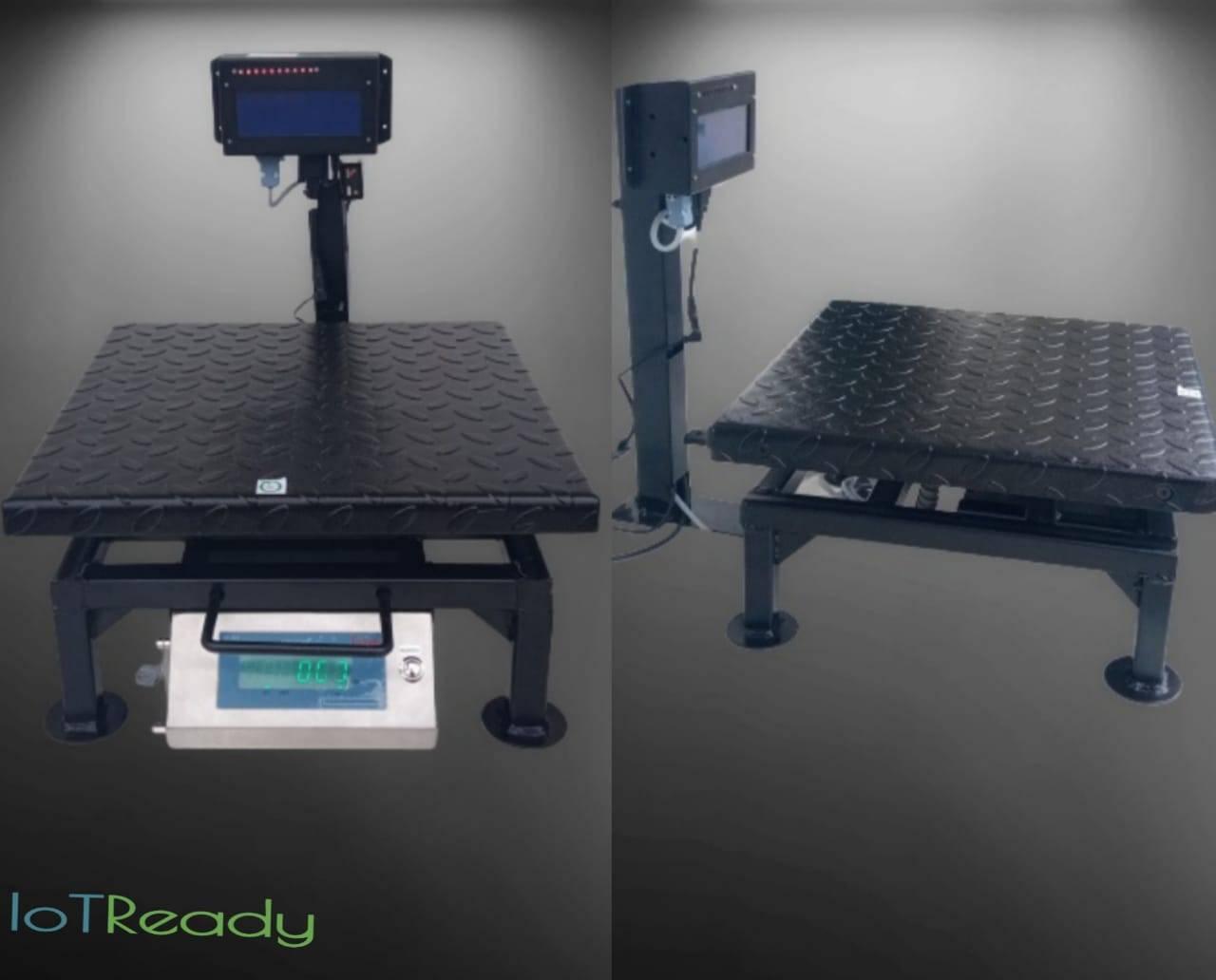
Incoming metal is weighed and tagged at receiving in one pass. Material that arrives untagged gets an RFID label printed on the spot. Fixed readers at the yard and plant boundaries pick up the big movements without anyone stopping to scan, and handhelds cover verification, cycle counts and location updates.
The result is that the yard and the plant are two separate, current numbers rather than one figure from last week, and the goods receipt and material transfer post themselves to SAP as the metal moves.
Finished goods
Product is tagged as it leaves the line, and the tag carries the link back to the raw material batch it came from, which is what makes a quality audit answerable. Warehouse receiving, putaway and picking run off handheld RFID and QR readers, and dispatch orders, transfer orders and inventory adjustments go into SAP without a manual step.
Stores
High value tools and equipment carry RFID tags instead of a sign-out book. Spare parts are issued and returned against a QR scan. Handhelds run cycle counts without stopping work, minimum and maximum levels raise their own reorder alerts, and every item shows which department or contractor has it.
Why this shape
Some movements are worth automating and some are not. Fixed readers handle the yard to plant traffic, which is high volume and impossible to scan by hand. Handhelds and an on-demand tag printer cover the edge cases: untagged material, a spot check, a count. The same platform runs both, so the record is one record.
Next step
Run the same flow past us.
Most operations are a variation on one of these. Describe yours and we will tell you which parts carry over.
or write to sales@iotready.com