Case study
Raw material to finished goods at Sterlite Copper
Every pallet of blisters, ingots and imported cathodes tagged with RFID and followed from the weighbridge to the finished product, with the goods receipt and every transfer posting to SAP and nobody keying anything in.
Results
0
Manual entries between the yard and SAP
Real time
Pallet location and stock in SAP
The work
The problem
Sterlite Copper melts blisters, ingots and imported cathodes, refines the result and draws it into rod. A truck brings in about 25 tonnes. Blisters come strapped to pallets in packs of seven, roughly 2.6 tonnes a pallet. Ingots come on pallets too, or in bags of up to 3 tonnes.
The truck was weighed in and out and the material weight checked against the advance shipping notice. Then a surveyor stuck a handwritten label on each pallet.
After that, the paper took over. A forklift picked the pallets for a furnace, and security wrote down which ones. At the furnace, an operator wrote down what was charged. At the end of the day someone typed both lists into SAP, and the logistics team compared picked against charged by eye.
So SAP was always a day behind the yard, and the question that mattered was the hardest to answer. Which supplier’s cathode, which grade, which batch went into this charge?
What we track
The pallet is the unit. Each pallet, bag or bundle carries an RFID tag on its side, and that tag is the only thing the system needs to know about it. The SKU, grade, batch and weight sit in the record behind the tag, and imported cathodes also carry their supplier.

End to end
Receiving
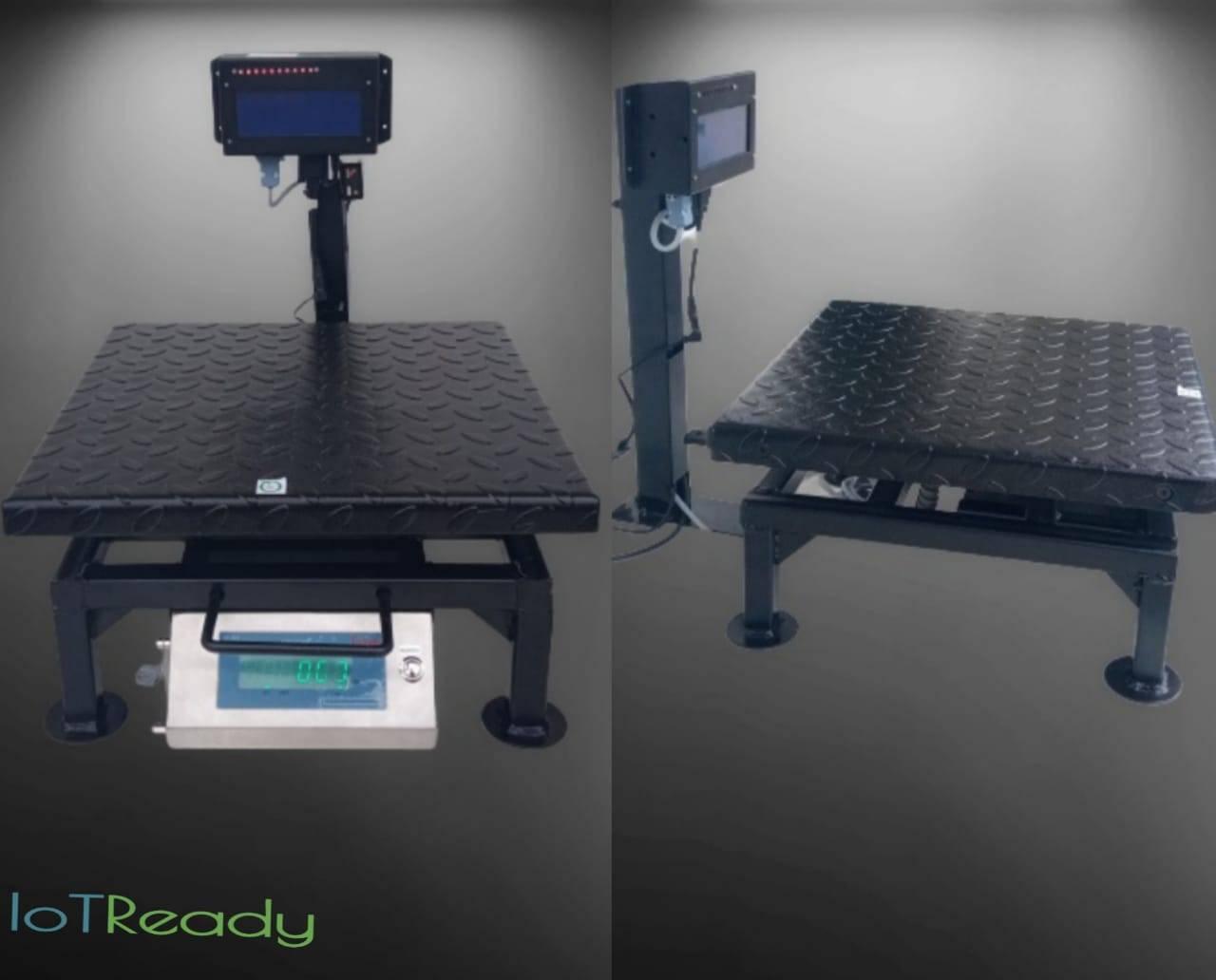
Weighed and read together
- Pallet goes on the scale
- Weighment and RFID reader capture the weight and the tag at once
- Goods receipt posts to SAP
The yard
Tracked without being touched
- Roadside RFID readers hear the pallets as the forklift drives past
- Transfers post to SAP by themselves
- Stock by location is always current
The furnace
Consumption against procurement
- Pallets weighed before charging
- Consumption traces back to the goods receipt
Receiving
The pallet goes on the scale and the weight and the tag are captured together. That’s the goods receipt. One thing happened, once, and the record says so.
The weight is still checked against the advance shipping notice, and a discrepancy still needs approval. What changed is that the pallet is already identified by the time anyone asks.
Transfers
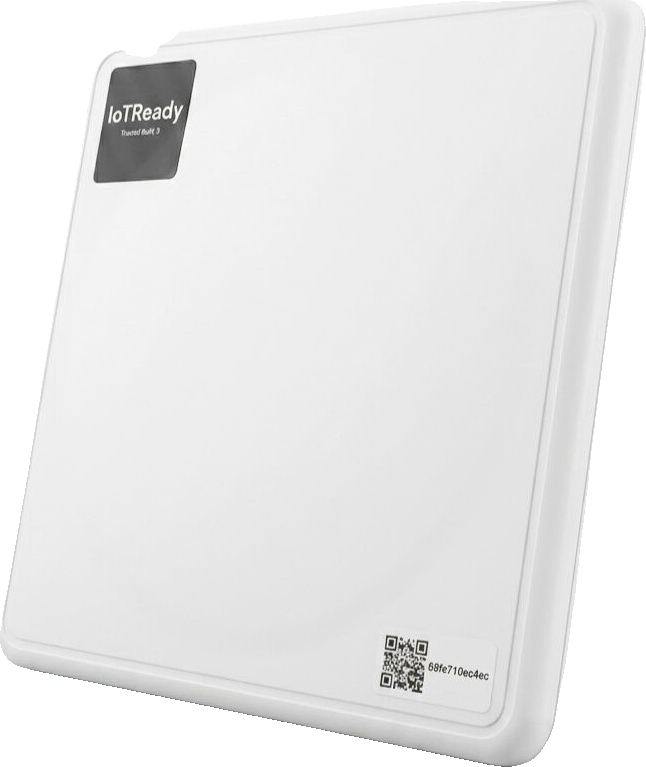
Fixed RFID readers sit by the road. A forklift drives past with pallets, and the readers hear every tag on it. Several antennas cover the lane, so it doesn’t matter which way a tag faces.
That’s the transfer. Nobody stops to scan, and security no longer writes anything down.
SAP
Everything lands in SAP ECC 6.0 through PI, as the document SAP expects: the goods receipt at the scale and the stock transfers from the readers. There is no end-of-day batch of typing, because there’s no typing.
Finished goods
Finished goods are tagged too. The tag on a finished product links back to the charge it came from, and the charge links back to the goods receipts behind it. So a finished product can be traced to the pallets, the batches and, for imported cathodes, the supplier it started with, without anyone joining spreadsheets.
Why it fit
Pallets were already the unit on the floor. Nothing had to be re-packed to suit the system, and the readers sit where the forklifts already drive. Nobody on the floor has a new job. They have one fewer.
Vedanta Aluminium’s stores use the same platform, with handhelds in place of fixed readers: Stores inventory at Vedanta Aluminium.
Next step
Run the same flow past us.
Most operations are a variation on one of these. Describe yours and we will tell you which parts carry over.
or write to [email protected]